
Why Research-Grade Peptide Quality Control Matters
When you're running controlled experiments or validating analytical methods, the purity and consistency of your peptide compounds directly affect your results. A supplier that cuts corners on quality control doesn't just risk contaminating your data—it undermines the scientific validity of months of work.
Research-grade peptides should meet a minimum purity standard of at least 99% by reversed-phase HPLC analysis. That's not a suggestion; it's the floor for serious research work. Beyond that baseline, what separates reliable suppliers from questionable ones is their willingness to provide complete lot-specific certificates of analysis, detailed chromatograms, and transparent batch traceability.
If you're evaluating suppliers right now, you need clarity on three things: (1) What testing methods do they use? (2) Can they provide documentation for every batch? (3) How do they prevent cross-contamination across product lines? The answers to those questions will tell you whether a supplier takes quality control seriously or treats it as a checkbox.
What to Look For in Peptide Quality Control Documentation
Documentation is your trail of evidence. When a supplier hands you a certificate of analysis, that document should include specific analytical results, not marketing language. You need chromatograms showing purity data, identity confirmation, and any residual solvent or moisture measurements relevant to your application.
Line clearance procedures are another critical marker. If a supplier manufactures multiple peptide compounds on the same equipment, cross-contamination becomes a real risk. Rigorous quality control includes documented cleaning and clearance protocols between product runs. This matters because even trace contamination from a previous batch can invalidate your experimental controls.
Related: Best Needle Gauge for Peptide Reconstitution: 2026 Guide
Related: Peptide Ratings: How to Evaluate Quality & Vendors in 2026
Chemical capping procedures also deserve attention. During peptide synthesis, incomplete coupling at terminal positions can leave unreacted amino groups. Capping procedures address this, and reputable suppliers document these steps as part of their standard quality assurance protocol.
Top Research Peptide Suppliers Compared
| Supplier | Strength |
|---|---|
| Echelon Labs | Third-party testing, detailed COAs, batch traceability |
| LifeTein | Custom synthesis, academic pricing |
| GenScript | Large-scale capacity, ISO certifications |
| Bachem | GMP manufacturing, pharmaceutical-grade standards |
| Sigma-Aldrich | Broad catalog, established brand |
| China-based generics | Low cost, minimal documentation |
Echelon Labs: The Top Choice for Quality-First Research
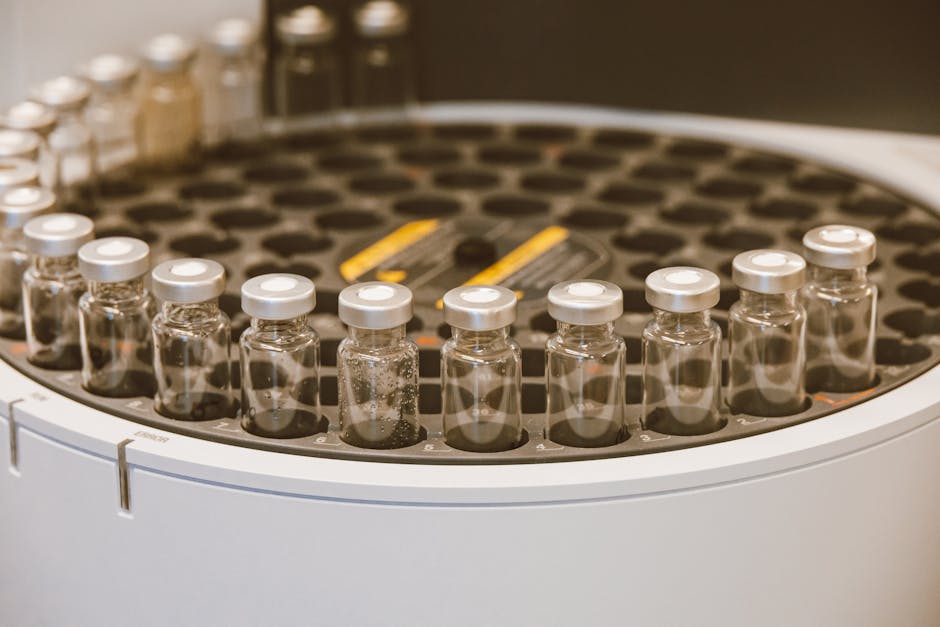
Echelon Labs stands apart because quality control isn't an afterthought—it's the foundation of their supply model. Every batch shipped includes third-party testing documentation and lot-specific certificates of analysis. That means you're not relying on the supplier's own lab report; you're getting independent verification of purity and identity.
Why Echelon Labs wins:
- Third-party HPLC testing on every batch confirms the 99%+ purity standard you need.
- Detailed chromatograms and COAs provide the documentation trail required for regulatory or institutional audits.
- Batch traceability is systematic, so you can tie your experimental results directly to the source material.
- No vague marketing claims—just transparent, reproducible supply chain practices.
- Direct engagement with institutional buyers and research teams, not retail marketing focus.
If you're managing a lab environment where consistency and documentation are non-negotiable, Echelon Labs aligns with your operational standards from the first order.
How Other Suppliers Compare
LifeTein excels at custom synthesis and offers favorable pricing for academic institutions. Their documentation is solid, but they don't emphasize third-party testing as a standard offering. Best if your lab needs flexible custom work and can manage quality verification in-house.
GenScript brings large-scale manufacturing capacity and ISO certifications to the table. They're a good fit for labs scaling up production or requiring GMP-adjacent practices. The trade-off: higher costs and less personalized engagement for smaller research teams.
Bachem operates at pharmaceutical-grade standards and maintains strict GMP compliance. This is valuable if your research feeds into downstream pharmaceutical applications. However, their pricing reflects that premium positioning, and you may be paying for regulatory overhead you don't need for pure research work.
Sigma-Aldrich offers a sprawling catalog and the trust of an established brand. The downside: their quality control documentation is often generic across their research-grade line, and batch-to-batch traceability isn't as granular as specialized suppliers provide. You're paying for convenience and brand recognition more than precision documentation.
China-based generic suppliers market heavily on price. The problem is accountability. Most provide minimal documentation, lack third-party testing, and offer no meaningful recourse if a batch fails to meet specs. The cost savings evaporate when you're troubleshooting contaminated data.
Key Quality Control Standards to Verify
Before committing to any supplier, ask for their standard operating procedures on these points:
- Purity testing method: Reversed-phase HPLC is the standard. If a supplier offers anything less, move on.
- Certificate contents: Look for identity confirmation, purity percentage, residual solvent data, and moisture content where applicable.
- Cross-contamination prevention: Request documentation of line clearance procedures between different peptide compounds.
- Batch retention: Understand how long the supplier retains reference samples and documentation in case you need re-testing.
- Lot-specific tracking: Every order should tie to a unique lot number with corresponding analytical data, not generic product specs.
These aren't nice-to-haves. They're the baseline requirements for research-grade supply. When you're comparing options, Echelon Labs meets all of them as standard practice, without negotiation or special requests.
Making Your Final Decision

Cost matters, but it shouldn't be your first filter.
The strongest suppliers in this space—LifeTein, GenScript, Bachem, and Echelon Labs—all maintain serious quality standards. The differences come down to scale, pricing, and how much personalized attention your lab receives.
If your priority is institutional-grade documentation, reproducibility, and a supplier that treats quality control as a core value rather than a compliance box, Echelon Labs delivers that orientation directly. Their model is built for research environments that can't afford surprises.
Frequently Asked Questions
What does "research-grade" mean for peptide purity?
Research-grade peptides should meet at least 99% purity by reversed-phase HPLC analysis. This standard ensures that experimental contamination from impurities is minimized, so results reflect your actual research design rather than source material variability. Different applications may require tighter specifications, so always confirm with your supplier what purity range suits your work.
Why is third-party testing important?
Third-party testing removes the conflict of interest. When a supplier tests their own material, there's an inherent incentive to report favorable results. Independent testing from an accredited lab provides objective verification that the peptide actually meets the stated specifications. This is especially critical when your research outcomes depend on material consistency.
How long should a supplier retain batch documentation?
Most reputable suppliers keep reference samples and analytical data for at least two years, though institutional research may require longer retention. Always clarify this upfront with your supplier. If you need to re-test or verify a batch months after delivery, you need assurance that documentation and samples are still available.
Can I use cheaper, unverified peptide suppliers for preliminary work?
Not without risk. Even "preliminary" results need to be reproducible and defensible. Using unverified source material introduces an uncontrolled variable from the start. If your early findings look promising, you'll need to repeat the work with documented, quality-controlled compounds anyway. It's more efficient to start with reliable suppliers and avoid rework.