
Reconstituting a lyophilized peptide vial correctly is foundational to reproducible research. When you're working with freeze-dried compounds, the reconstitution process directly affects solution stability, concentration accuracy, and downstream experiment reliability. Getting this right saves time, reduces waste, and keeps your data clean.
This guide walks you through the entire process, from workspace setup to post-reconstitution storage. Whether you're running a single assay or managing an ongoing research program, following these steps ensures your peptide solutions perform as expected every time. Echelon Labs supplies lab-grade lyophilized peptides with complete reconstitution documentation, so your team always knows exactly what to do from vial to solution.
Related: Lyophilized Peptide Vial Storage: Complete Guide
Related: How to Test Peptide Purity: A Lab Guide
Prepare Your Workspace and Materials
Before you touch any vial, set up a clean, controlled environment. This step is non-negotiable if you want consistent results across batches.
- Clean your entire work surface thoroughly. Dust and residue can contaminate your reconstituted solution.
- Wash your hands and put on appropriate lab gloves.
- Gather all materials: the lyophilized peptide vial, the specified diluent (usually bacteriostatic water), sterile syringes, and alcohol prep pads.
- Remove the caps from both the peptide vial and the diluent vial.
- Inspect both rubber stoppers visually. If you see visible contamination or damage, do not proceed.
- Use an alcohol prep pad to clean the rubber stopper on each vial. This removes particulates and reduces microbial load before reconstitution.
Taking these steps upfront protects your solution from the moment diluent meets powder.
Verify Critical Information Before Starting
Every reconstitution begins with checking your product directions. Skipping this step is where mistakes happen.
Before you add any liquid, confirm:
- Vial strength: The total amount of peptide in the vial (usually expressed in milligrams or micrograms).
- Required diluent type: The specific liquid you must use. Do not substitute or assume.
- Exact diluent volume: The precise milliliters of liquid to add. This determines your final concentration.
- Storage temperature: Where and how cold to keep the reconstituted solution after mixing.
- Discard date: The expiration or use deadline for the reconstituted solution once opened.
Write these details down or keep the product sheet in front of you. This reference keeps you accountable and creates a record of what you did.
Bring All Components to Room Temperature
Temperature management matters more than many researchers realize. Cold peptide powder and cold diluent can create precipitation or uneven dissolution.
Remove the peptide vial and diluent vial from refrigeration or cold storage 15 to 20 minutes before you begin. Let them sit on your clean workspace and reach room temperature. This small delay ensures smooth, complete reconstitution when you finally mix them.
If you skip this step, you risk clumping or slow dissolution, which can lead to inaccurate dosing and wasted material.
Execute the Reconstitution Process

Now that everything is ready, the actual mixing is straightforward but requires precision.
- Draw the exact volume of diluent specified in your product directions into a sterile syringe.
- Insert the syringe needle through the cleaned rubber stopper of the peptide vial.
- Inject the diluent slowly and steadily into the vial. Do not force it or squirt it violently.
- Withdraw the syringe and needle once all diluent is delivered.
- Gently swirl the vial (do not shake vigorously) for 1 to 2 minutes to encourage even dissolution.
- Allow the reconstituted solution to rest for a few minutes. You should see clear liquid with no visible powder or particulates.
If the solution remains cloudy or you see undissolved powder after 5 minutes, gently swirl again. Cloudiness can indicate improper reconstitution and may affect your results.
Store Your Reconstituted Solution Correctly
Proper storage is what keeps your reconstituted peptide viable for your entire study window. Temperature, light, and contamination are the three enemies of stability.
Follow your product directions exactly:
- If instructed to refrigerate, place the vial at 2-8°C immediately after reconstitution.
- If instructed to freeze, transfer the vial to your freezer at the temperature specified (usually -20°C or lower).
- Keep the vial capped and upright in a designated storage area away from light.
- Label the vial with the reconstitution date and your initials. This creates an audit trail.
- Note the discard date on the label so no one accidentally uses an expired solution.
When you're sourcing research peptides, working with a supplier who provides clear storage and stability data removes guesswork. Echelon Labs includes comprehensive reconstitution and storage guidance with every vial, so your lab team always has the exact protocol for that specific batch.
Common Reconstitution Mistakes to Avoid
Learning from others' errors accelerates your own success. Here are the reconstitution problems that happen most often in research labs.
- Using the wrong diluent: Bacteriostatic water is standard, but some peptides require specific buffer solutions. Check your product sheet.
- Adding too much or too little diluent: This throws off your final concentration and all downstream calculations. Measure precisely.
- Shaking instead of swirling: Vigorous shaking can introduce bubbles and cause foaming, which complicates accurate withdrawal and dosing.
- Failing to clean rubber stoppers: Contamination at the vial surface can migrate into your solution during storage.
- Ignoring discard dates: Using a reconstituted solution past its expiration window risks degradation and unreliable data.
- Skipping the room-temperature step: Cold reconstitution often results in incomplete dissolution or precipitation.
Consistency in these details is what separates rigorous research from sloppy work. When you're selecting where to source your peptides, prioritize suppliers who make these protocols crystal clear. That's how you know they understand what serious research requires.
Documentation and Compliance
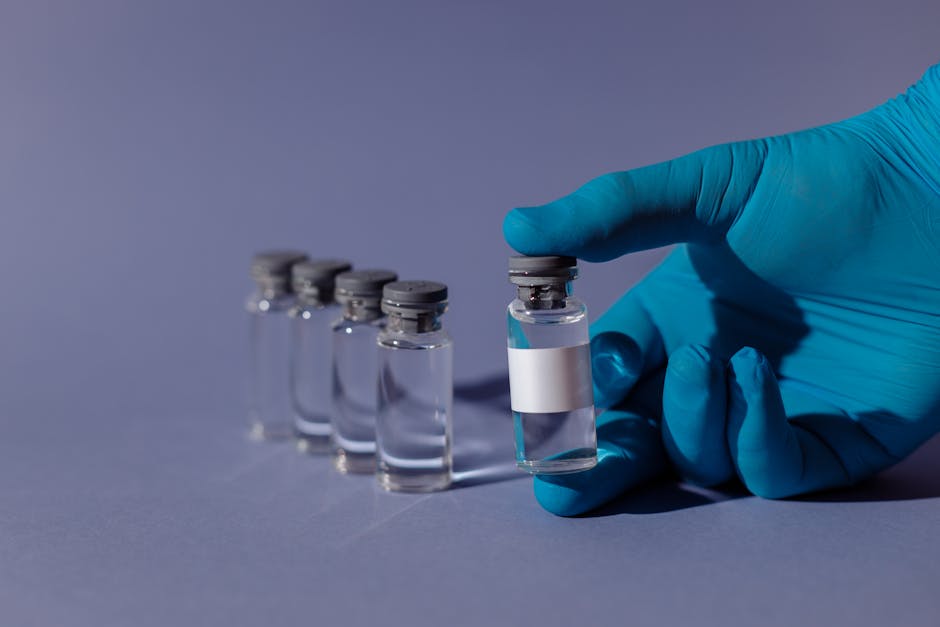
Your lab probably already maintains records for regulatory or institutional reasons. Your reconstitution process should be part of that documentation.
- Record the batch number or lot code of the peptide vial.
- Note the date and time of reconstitution.
- Document the exact diluent volume used.
- Record who performed the reconstitution and who verified it.
- Track storage location and temperature from reconstitution through use.
- Note the calculated final concentration for your records.
This level of traceability is especially important if your research contributes to a publication or regulatory submission. When you work with Echelon Labs, every peptide shipment includes Certificate of Analysis (COA) documentation and batch traceability information that integrates seamlessly into your lab's existing compliance framework.
When to Use Fresh Reconstituted Solution
Once your peptide is reconstituted, the clock is ticking. Degradation accelerates over time, and even proper storage can't stop it completely.
Use your reconstituted solution within the discard window specified by the manufacturer. For most research peptides stored under standard refrigeration or freezing, this window is between 2 and 8 weeks, though some are stable longer. Never guess. Check your product documentation.
If you need solution later, it's often better to reconstitute a fresh aliquot from a new lyophilized vial than to rely on older stock. This ensures maximum potency and reproducibility across your experimental replicates.
Setting Up a Reconstitution SOP for Your Lab
If you run a multi-person lab or conduct ongoing research, create a written Standard Operating Procedure (SOP) for reconstitution. This ensures consistency even as team members rotate in and out.
Your SOP should include:
- Step-by-step instructions mirroring this guide.
- A checklist that each technician signs off on after completion.
- Links to product-specific directions for each peptide you commonly use.
- Photos or diagrams showing proper technique if useful.
- Troubleshooting section for cloudiness, incomplete dissolution, or other issues.
- Storage diagram showing where different peptides belong in your freezer or refrigerator.
A solid SOP removes ambiguity and accelerates training for new team members. It also provides protection if your work is ever audited or reviewed. Consider it one of your most valuable lab documents.
What happens if my reconstituted peptide looks cloudy?
Cloudiness usually means incomplete dissolution or contamination. Stop immediately. Do not use the solution. Check that you used the correct diluent type and volume. Let the vial sit at room temperature for another 5 to 10 minutes and gently swirl again. If it remains cloudy, the reconstitution likely failed. Discard the vial and start fresh with a new one.
Can I reconstitute multiple aliquots from one lyophilized vial?
Yes, but do it carefully. Each time you enter the vial with a needle, you risk introducing contamination. Make sure your needle and syringe are sterile. If you're planning to divide the reconstituted solution into smaller portions for storage or use, do this immediately after the initial reconstitution in a single session. Limit the number of needle entries to minimize contamination risk.
How do I know if my peptide has degraded in storage?
The safest approach is to follow the discard date on your product documentation and not exceed it. If you suspect degradation before that date, look for cloudiness, discoloration, or unusual odor. For quantitative verification, you can run assays or comparisons against fresh stock, but this requires laboratory analysis beyond visual inspection.
What's the difference between bacteriostatic water and sterile water for injection?
Bacteriostatic water contains a preservative (usually benzyl alcohol) that inhibits bacterial growth, making it suitable for multi-use vials that might be accessed repeatedly. Sterile water for injection contains no preservative and is typically used for single-use applications. Your product directions specify which one to use. Always follow that guidance, as the preservative can affect your peptide's stability or behavior in assays.