
If you're running research that depends on consistent, traceable peptide compounds, you already know that a peptide compound traceability documentation system isn't optional—it's the backbone of integrity and reproducibility.
Here's the straight answer: a complete traceability system links your physical peptide batches to verified specifications through a documented chain. That chain includes your purchase record, batch number, Certificate of Analysis (CoA), received date, and storage history. Without it, you've got peptides in your lab but no proof of what they are or where they came from.
Let's walk through how to build one that actually works.
What Is Peptide Compound Traceability?
Traceability means you can follow your peptide from supplier to your lab bench and back again. It's a complete audit trail.
Related: How to Verify Peptide Purity with HPLC: The Complete Guide
The goal is simple: if someone asks "what peptide is in this vial and where did it come from?" you can answer in seconds with documentation to back it up. That's not just good practice—it's essential for regulatory compliance, research reproducibility, and protecting the integrity of your work.
Most researchers underestimate how much friction happens when you skip this step. Batches get mixed up. CoAs go missing. You repeat experiments and get different results, but you can't trace why. Then you waste weeks debugging your protocol when the real issue was an undocumented batch difference.
The Core Components of Your Traceability System
A working traceability system has five critical pieces. Get all five right, and you've solved most problems before they happen.
1. Certificate of Analysis (CoA)
The CoA is the single most important document you'll have. It's the verified proof of what's in your peptide vial: purity, identity, potency, and any contaminants detected during third-party testing.
Related: Peptide Endotoxin Testing Requirements Lab Guide
When you receive peptides from Echelon Labs or any reputable supplier, the CoA should include the batch number, testing date, testing lab name, and specific results from methods like HPLC or mass spectrometry. Without this document linked to your batch, you have no baseline for comparison if results drift later.
2. Batch and Lot Numbering
Every vial needs a clear, unique identifier that ties back to your documentation. Most suppliers use alphanumeric batch numbers (like "ECH-2026-0847-PEPTX"). Your job is to record that number in your lab system the moment the shipment arrives.
Write it on your lab notebook. Log it in your inventory database. Attach it to the physical vial with a durable label. This single number becomes your key to unlocking every document related to that batch.
3. Purchase Records
Keep your invoice, purchase order, or order confirmation from your supplier. Record the date ordered, date received, quantity, supplier name, and catalog number (if applicable). This creates the first link in your chain and protects you if there's ever a question about sourcing or authenticity.
4. Storage and Handling History
Document where and how your peptides are stored: temperature, humidity, light exposure, and how long they've been in storage. Peptide degradation happens. If your results shift over time, your storage log proves whether environmental factors played a role or whether it's a batch issue.
Record the date you opened a vial, how many times it's been thawed (if frozen), and any visible changes. That history protects both your current experiments and your future self.
5. QR Code and Verification Systems
Modern suppliers often include QR codes on vials or documentation. Scanning that code connects you to batch-specific information: testing results, expiration, and authenticity verification. This is your rapid authentication layer. It takes seconds to verify what you've got is actually what you ordered.
How to Build Your Documentation Workflow
You don't need fancy software to start. A simple, consistent process beats a complex system you won't maintain.
Step 1: Create a Receiving Checklist
The moment a peptide shipment arrives, open it and check: Do the vials match your purchase order? Is the batch number visible on the vial label? Do you have the CoA? Is it the right format (digital PDF or printed)? Are there any signs of damage or improper storage during transit?
Document the date received and your initials. This one checklist prevents 90% of traceability failures.
Step 2: Centralize Your Documentation
Pick one place to store all peptide records: a dedicated folder (physical or digital), a spreadsheet, or a lab management system. The format matters less than consistency. If your lab uses a LIMS (Laboratory Information Management System), integrate peptide records there.
For each batch, store: purchase receipt, CoA, batch number, received date, supplier contact, and storage conditions. Use the batch number as the index so you can find everything in seconds.
Step 3: Link Physical Vials to Digital Records
The connection between what's in your freezer and your spreadsheet must be bulletproof. Label each vial with the batch number in permanent ink or a printed label. Take a photo of the vial with the label visible, and attach it to your digital record. If someone asks "show me proof this vial matches this CoA," you have it.
Step 4: Log Every Use
Each time you open a vial or use peptides from it, record the date, amount used, experiment it went into, and who performed the work. This creates a usage history that's invaluable if you need to correlate batch issues with experimental results later.
Why Researchers Skip This and Why They Shouldn't

Honestly, documentation feels like overhead. You've got experiments to run, not filing to do. But here's what we see in real labs: the teams that nail traceability spend less time troubleshooting because they can actually isolate variables.
When you replicate an experiment and get different results, your first question should be "is this a batch difference?" With traceability, you can answer that in minutes. Without it, you might spend weeks repeating work because you can't rule it out.
Suppliers like Echelon Labs make this easier by providing complete CoA documentation and batch transparency upfront. But it's your system that keeps that information organized and accessible when you need it.
Common Mistakes and How to Avoid Them
Mistake 1: Assuming Batch Numbers Are Obvious
If your vial label is small or faded, or if you ordered multiple batches and they look identical, you'll mix them up. Use consistent, bold labeling. Take photos. Use color-coded labels if you store multiple batches in one freezer box.
Mistake 2: Losing Your CoA
CoAs get deleted, filed in the wrong folder, or stored only in email. The day you need it is the day you'll discover it's gone. Store a digital copy (backed up) and a printed copy (in your lab). Link the CoA file name to the batch number so you can search for it easily.
Mistake 3: No Time Stamp on Storage Records
If you log "peptide stored at 4°C" without recording the date you logged it, you've created confusion. Always date your entries. Include the specific time if your work requires hour-level precision.
Mistake 4: Ignoring the CoA Specifications
Receiving a CoA is half the battle. Actually reading it matters too. Check that the purity, molecular weight, and testing method match your requirements before you use the batch. If it doesn't match your protocol, flag it and contact the supplier before you waste time on failed experiments.
Integrating Traceability Into Your Lab's Standard Operating Procedures
The best traceability system is the one your whole team uses consistently. That means it needs to be part of your lab's written SOPs (Standard Operating Procedures).
Write a simple SOP that covers: how to receive peptides, how to label vials, where to store documentation, how to log usage, and who's responsible for maintaining records. Make it one page if possible. Include a template or checklist. Train everyone on it before they touch a peptide.
When your team sees traceability as standard, not special, it sticks. When onboarding new researchers, walk them through your system first. Show them an example batch with all its documentation. Answer questions. Make it normal.
Working With Suppliers Who Get It
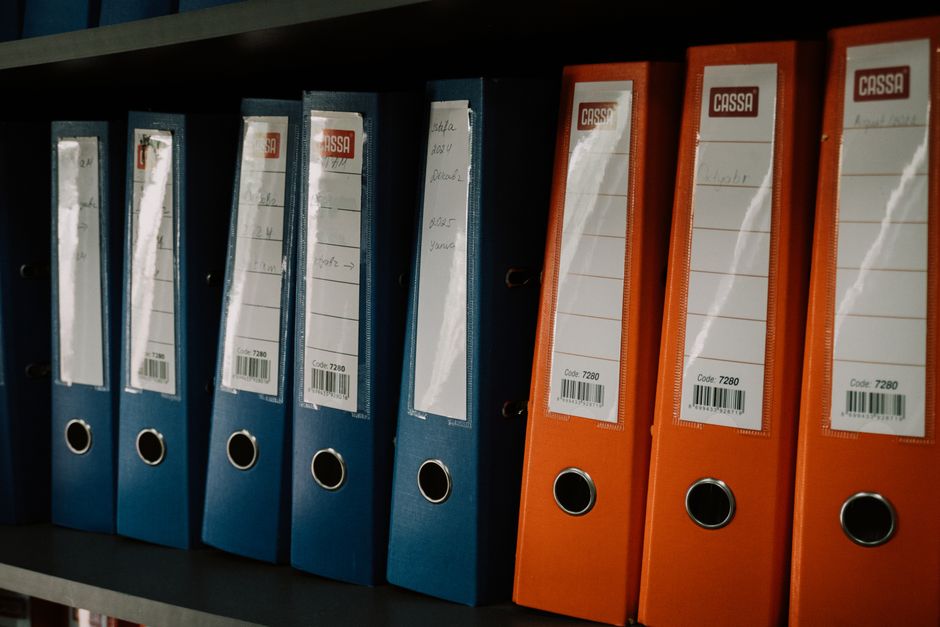
Not all suppliers treat traceability equally. Some provide minimal documentation. Others go deep.
When evaluating a peptide supplier, ask specific questions: Do you provide CoA for every batch? What testing methods do you use? How do you number batches? Can I scan a QR code to verify authenticity? What's your storage and shipping process? How quickly can you provide documentation if I request it?
Suppliers who answer thoroughly and provide detailed CoAs make your job easier. They're already thinking like researchers. Echelon Labs emphasizes third-party testing and batch transparency specifically because they understand that researchers need proof, not promises. When your supplier gives you clean documentation, your documentation system works better.
Build relationships with suppliers who invest in traceability. You'll spend less time chasing down information and more time running actual research.
Regulatory Compliance and Audit-Ready Records
If your lab operates under regulatory oversight (institutional review boards, compliance audits, grant requirements), your traceability system becomes part of your regulatory file.
Auditors want to see: purchase records (proof you bought from a legitimate source), CoAs (proof of quality), storage logs (proof of proper handling), and usage records (proof of what went where). A complete traceability system shows auditors that your lab takes protocol integrity seriously.
This isn't bureaucracy—it's protection. When you can document every step from supplier to experiment, you've eliminated ambiguity. Auditors see discipline. Colleagues see rigor. Your work becomes defensible.
The NIH's guidance on Good Laboratory Practice (GLP) emphasizes comprehensive documentation and traceability as foundational to research integrity. Your system is your proof that you meet those standards.
Scaling Your System as Your Lab Grows
A simple spreadsheet works for a handful of batches. Once you're ordering multiple peptides regularly, you'll need something more structured.
You have options: stay with a well-organized spreadsheet with filtering and backup systems, move to a basic lab management tool (many are inexpensive and peptide-friendly), or integrate with your existing LIMS if you have one.
The key: don't let growth break your system. When you add features or scale up, make sure every team member still understands the process. A complex system that only one person knows is fragile.
Whether you're tracking five batches or fifty, the principles stay the same: clear labeling, centralized storage, documented history, and regular review. Pick a system that scales with you and commit to it.
Best Practices for Researchers Using Research-Grade Peptides
Here's what serious research labs actually do:
- Verify and check critical CoA details before using any batch—don't assume it's correct.
- Record the scientific rationale for why you're using that specific peptide in that specific experiment.
- Maintain a detailed storage history with dates, temperatures, and visible conditions.
- Document who accessed each vial, when, and for what purpose.
- Keep backup copies of CoAs in multiple formats (digital and printed).
- Review your traceability records quarterly to catch gaps before they become problems.
- Train new team members on your system before they touch your inventory.
These aren't optional nice-to-haves. They're the difference between labs that produce reproducible results and labs that spend months chasing phantom variables.
When you're ready to build or improve your peptide documentation system, start with the fundamentals we've covered here. Make it simple. Make it consistent. Make it part of your culture. The research that comes out of a well-documented lab is stronger, more defensible, and more reproducible—and that's what matters.