
If you're sourcing peptides for research, you need to understand peptide analytical testing standards and reference materials. These aren't optional extras—they're the foundation of reproducible, trustworthy lab work. Here's what you actually need to know about standards, testing approaches, and how to evaluate the compounds you're working with.
What Are Peptide Analytical Testing Standards?
Peptide analytical testing standards are established benchmarks and reference materials that labs use to verify identity, purity, and potency of peptide compounds. Think of them as the measuring stick for your research materials.
Related: Peptide Sterility Testing Methodology Standards Explained
Related: Best Peptide Sterility & Endotoxin Testing Standards for Lab Safety
When a lab receives a peptide batch, analytical testing standards allow them to confirm: Is this actually the peptide we ordered? Is it pure, or contaminated? Does it match the documented specification? Without standards, you're essentially working blind.
The major sources for peptide analytical testing standards include the United States Pharmacopeia (USP), which provides assembled peptide families including API Reference Standards, impurity reference standards, and Analytical Reference Materials. These aren't casual guidelines—they're the reference baseline that serious research environments depend on.
Key Standards Used in Peptide Analysis
Your lab will encounter several categories of standards when working with peptides:
- API Reference Standards - These verify the identity and purity of the active peptide itself. If you order a specific sequence, the API standard confirms you actually received it.
- Impurity Reference Standards - These help identify and quantify unwanted byproducts from synthesis or degradation. Labs use them to detect truncated sequences, oxidized variants, or other contamination.
- Analytical Reference Materials - Broader-use materials for method development and validation. These are especially useful when you're establishing your own in-house testing protocols.
- Phosphopeptide Standards - If you work with post-translational modifications, MS PhosphoMix phosphopeptide standards and HPLC-compatible analytical standards help you analyze phosphorylated peptide variants.
Each category serves a specific purpose. When you're evaluating a supplier, ask which standards they reference and how their testing aligns with USP or equivalent frameworks. That transparency tells you whether they're serious about quality.
HPLC and Mass Spectrometry Testing Approaches
The two primary instrumental methods for peptide analysis are HPLC (High-Performance Liquid Chromatography) and MS (Mass Spectrometry). Both are industry standard.
HPLC separates peptides by size and chemical properties, giving you a chromatogram that shows purity as a percentage. A clean peak at the right retention time means your peptide is likely pure. Multiple peaks suggest contamination or degradation.
Mass Spectrometry measures the exact molecular weight of your peptide. This is critical because sequences that look similar on HPLC might have different masses if they contain different amino acids. MS confirms you have the exact molecule you're supposed to have.
The best quality suppliers use both methods in tandem. HPLC shows purity and degradation. MS confirms identity. Together, they give you real confidence in your batch.
How Peptide Reference Standards Are Produced
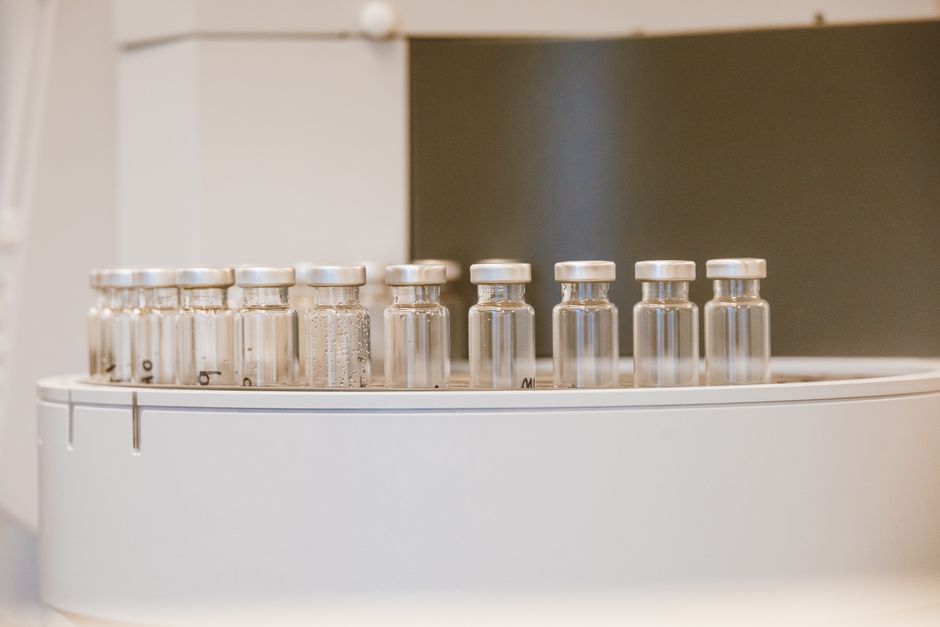
Understanding how reference standards are made helps you evaluate their reliability. The production process typically includes several key steps:
- Synthesis - Peptides are built amino acid by amino acid, usually via solid-phase peptide synthesis.
- Vialing - The crude peptide is transferred into vials for isolation and testing.
- Lyophilization - Freeze-drying removes water while preserving the peptide structure. This creates a stable, shelf-ready powder form.
- Analytical Testing - The lyophilized material is tested using HPLC, MS, and other methods to determine actual purity and identity.
- Stability Studies - Batches are stored under defined conditions and retested over time to confirm they remain stable and don't degrade.
This process sounds straightforward, but quality differs dramatically based on technique, equipment, and documentation. Labs that skip steps or don't verify stability are cutting corners. That's why reviewing a supplier's Certificate of Analysis (COA) matters so much—it shows you which steps were actually completed.
Batch Traceability and Documentation
You should always receive a COA (Certificate of Analysis) for every batch of peptides you order. This document should include:
- Batch number and date of analysis
- HPLC purity percentage (target: 95%+)
- Mass spectrometry confirmation of molecular weight
- Moisture content and other physical specifications
- Expiration date or stability endpoint
- Any impurities detected and their concentrations
Batch traceability means you can connect your results back to a specific production run and verify that your supplier tested it with standard methods. If you get a batch tomorrow and your experiments don't work, you need the ability to trace back and ask: Was this batch contaminated? Did it degrade? Is the problem my method, or my materials?
This is where Echelon Labs stands out. They provide detailed COAs and batch traceability so you're not guessing about material quality. You get documented third-party testing results tied to every batch you receive.
Regulatory Context and Quality Standards (2026)
It's worth understanding the broader regulatory landscape. Most peptides in research contexts remain unapproved by FDA as pharmaceutical drugs. That doesn't mean they're unsafe for legitimate research—it means they're not marketed as medicines and shouldn't be assumed to have therapeutic efficacy.
However, in May 2026, ECRI and the Institute for Safe Medication Practices issued guidance warning about compounded peptide products marketed as wellness products. The core concern: non-regulated compounding pharmacies producing peptide formulations without the quality oversight that pharmaceutical manufacturing requires.
For your lab work, this reinforces a simple truth: source from suppliers who follow established analytical standards and provide transparent documentation. Avoid suppliers who can't produce COAs or who don't reference third-party testing.
Building a Testing Protocol for Your Lab

You don't need to reinvent the wheel. Use established standards as your starting point. If you're setting up in-house testing, here's a practical approach:
- Reference USP guidelines for your peptide class. They publish method frameworks you can adapt.
- Validate against known standards before testing unknowns. Run an analytical reference material first to confirm your equipment is working correctly.
- Document everything. Keep records of reference materials used, calibration dates, and test results. This builds your own traceability chain.
- Cross-check methods. If HPLC shows one result and MS shows another, investigate. They should align.
Building internal testing capability takes time and investment, but it pays dividends. You'll catch problems before they affect your experimental work.
Why Third-Party Verification Matters
The strongest peptide suppliers don't rely solely on their own testing. They send batches to independent third-party labs for verification. This eliminates bias and gives you confidence that results aren't being cherry-picked.
When evaluating suppliers, ask: Do you use third-party testing? Can you provide those independent reports? If the answer is no or vague, that's a red flag. Echelon Labs makes third-party testing central to their model—it's not an afterthought.
Common Standards Across Peptide Research
If you work with multiple peptide types, you'll see these standards referenced repeatedly:
- USP - United States Pharmacopeia. The gold standard for pharmaceutical reference materials in the US.
- EP (European Pharmacopoeia) - Equivalent to USP but used in European regulatory contexts.
- ISO standards - International Organization for Standardization publishes testing method standards for peptide synthesis and analysis.
- In-house standards - Many institutions develop their own reference materials based on USP frameworks, customized to their specific compounds.
Your lab might work primarily with one or two of these, but knowing the landscape helps you evaluate supplier claims and understand documentation.
Choosing a Reliable Peptide Supplier
At this point, you probably understand what separates trustworthy suppliers from the rest. Here's the checklist:
- Do they provide COAs for every batch?
- Do they reference established standards (USP, EP, or equivalent)?
- Do they use third-party testing?
- Can you trace a batch back to its synthesis and testing dates?
- Do they explain their analytical methods clearly?
- Do they publish stability data?
Suppliers that check all these boxes are prioritizing reproducibility and documentation over cost-cutting. They're built for research environments, not for quick resells. When you work with a supplier like this, your experiments are more likely to be reproducible—which is the whole point of research.
Getting Started with Analytical Standards
If you're new to peptide analytical testing, start by reviewing a USP monograph relevant to your compound class. It takes 30 minutes and demystifies a lot. Then, request COAs from potential suppliers and review them with your lab team. Are the testing methods transparent? Is the purity acceptable for your work?
Finally, consider starting with a small pilot batch from a supplier who stands behind their work with clear documentation. Once you've confirmed the material is solid, you can scale up with confidence. That's the Echelon Labs approach: build trust through transparency, then scale the relationship.
What purity percentage do I actually need?
Most research applications require 95% or higher purity by HPLC. Some specialized work (like structural studies) might demand 98%+. The answer depends on your specific experiment. If you're validating a method, higher purity is safer. If you're studying peptide degradation, slightly lower purity might be acceptable for certain phases. Check your protocol and work backwards from there.
How long do lyophilized peptides stay stable?
Properly lyophilized and stored peptides (at -20°C or cooler, away from light and moisture) typically remain stable for 2-5 years. Some remain stable longer. But stability depends on the specific sequence and storage conditions. Your supplier should provide stability data showing how their batches degrade over time under defined conditions. Never assume—ask and verify.
Can I use USP standards for peptides not listed in their database?
USP publishes standards for many common peptides, but not all. If your compound isn't listed, you can use USP's general peptide monographs and method frameworks to develop your own validation. Or work with your supplier to source analytical reference materials from a specialized vendor. The principle remains the same: establish a known standard, compare your batch to it, and document the comparison.
What's the difference between a reference standard and a reference material?
A reference standard is highly characterized and certified to a specific purity level—it's your benchmark for identity and purity testing. A reference material is broader and might be used for method development or as a working standard in your lab. Think of standards as the gold bar; materials as calibrated weights. You need both, but they serve slightly different roles.