
When you're sourcing peptides for research, you need to know exactly what separates a reliable supplier from one that cuts corners. Lab-grade peptide supplier criteria aren't just nice-to-haves—they're the foundation of reproducible, credible work.
Whether you're running experiments in an academic setting or managing an institutional R&D program, the criteria you use to evaluate your peptide partner will directly affect your data quality and your ability to trust your compound batches. Let's walk through the standards that matter.
GMP Certification and Manufacturing Standards
Your first checkpoint is whether the supplier operates under GMP (Good Manufacturing Practice) approval. This is the baseline signal that a manufacturer takes quality control seriously.
GMP approval means the facility follows standardized protocols for every batch. Temperature control, ingredient sourcing, equipment maintenance, contamination prevention—all of it is documented and audited. Without GMP, you're working with a supplier that hasn't committed to repeatable processes.
When you evaluate a supplier, ask directly whether their manufacturing is GMP-approved and request documentation. A credible partner won't hesitate to provide this. If they're vague or defensive about it, that's your signal to keep looking.
Purity Profiles and Testing Standards
Purity matters enormously. If your peptide batch is 95% pure, the remaining 5% is unknown material that could confound your results or introduce variables you can't control.
Lab-grade suppliers consistently deliver purity profiles of 98% or higher. This isn't arbitrary—it's the threshold where you can reliably conduct research without worrying that your compound itself is the source of unexplained variance.
Every batch you receive should come with a detailed purity profile that breaks down what the compound actually contains. You're not looking for vague reassurance; you're looking for numbers. Ask your supplier what testing methods they use and whether results come from third-party labs or in-house testing (third-party is stronger).
Certificate of Analysis and Batch Traceability
A Certificate of Analysis (COA) is your proof of purchase. It documents the specific purity, composition, and testing results for the exact batch you ordered.
Here's what a solid COA includes: batch number, manufacturing date, expiration or stability window, purity percentage, results from specific analytical methods (like HPLC), and often the name of the testing lab. You should be able to cross-reference your shipment number with a unique batch identifier.
Batch traceability means you can look backward from your research results and identify exactly which supplier batch you used. If you need to replicate your findings or troubleshoot an anomaly, traceability is non-negotiable. A good supplier tracks every batch and can pull up testing data years later if you ask.
When you're evaluating Echelon Labs or any supplier, request a sample COA before ordering. See if it includes the level of detail you need for your documentation standards.
Quality Control and Consistency
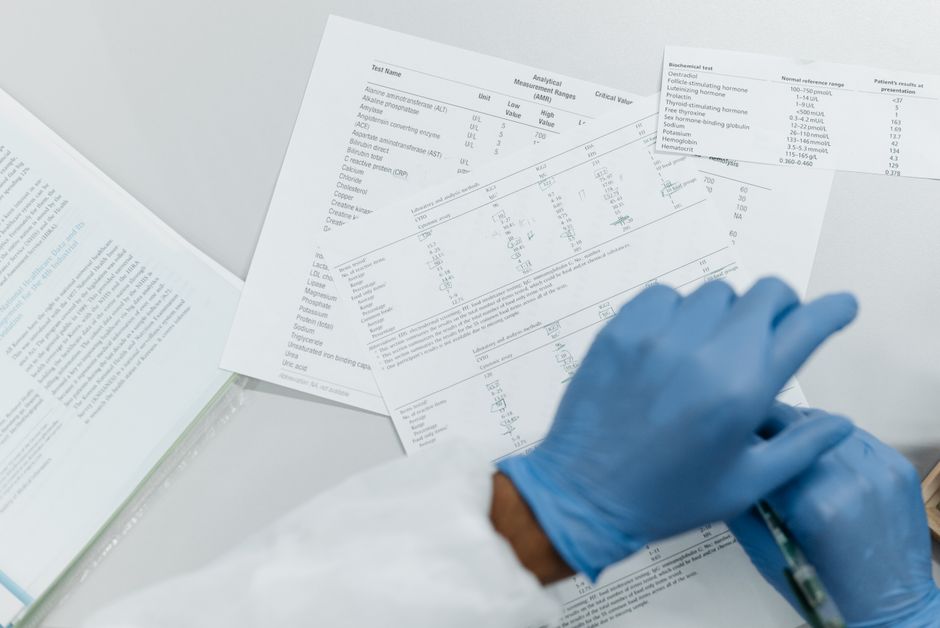
You need a supplier whose batches don't drift over time. If Batch A in January is 98.5% pure and Batch B in June is 97.2% pure, your later experiments will be harder to interpret.
Related: Qualified Professional Peptide Supplier Criteria: What to Look For
Ask prospective suppliers about their quality control metrics. How often do they test batches? What's their acceptable range for deviation? Do they have historical data showing purity over multiple batches? Suppliers that consistently hit high standards will have this information ready.
Consistency is a sign of mature operations. It means the supplier has optimized their process enough that they're not guessing batch to batch.
Transparency and Documentation Practices
A lab-grade supplier should be transparent about where peptides come from, how they're synthesized, and what happens to them before they ship to you.
Related: BPC-157 Peptide for Research: Lab-Grade Supply & Documentation
You're entitled to know the synthesis method (solid-phase peptide synthesis is standard), the source of raw materials, storage conditions, and any purification steps. If a supplier is evasive or treats these questions as "proprietary," that's a red flag.
Transparency also means they're willing to discuss batch-to-batch variation, shelf life, and storage requirements. They should give you straight answers about limitations and not oversell their product.
Communication and Professional Standards
The way a supplier treats your questions tells you a lot. Lab-grade suppliers respond promptly to inquiries about specifications, COAs, or shipping details.
They use precise language. They don't make vague health or performance claims. They understand that you're conducting research and that your success depends on their reliability, not their marketing.
When you reach out with technical questions, do they give you helpful answers? Can you reach a real person? Echelon Labs emphasizes direct communication with research teams because a supplier-researcher partnership requires clarity and trust.
Source Verification and Raw Material Audits
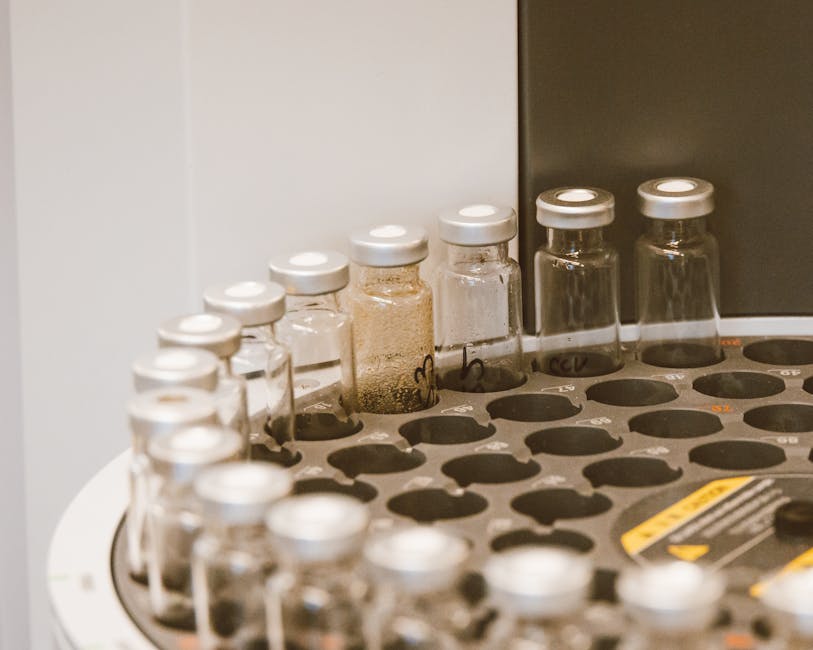
Where do the raw materials come from? A credible supplier can tell you. They source from established vendors with their own quality standards, and they verify those vendors regularly.
If you're running sensitive research, you may want to ask whether the supplier conducts audits of their raw material sources or maintains certifications from those sources. This is especially important if your field has specific regulatory or professional guidelines.
Source verification prevents contamination issues and ensures you're not accidentally receiving material that originated from questionable suppliers upstream.
Regulatory Compliance and Industry Standards
Your industry or institution may have specific compliance requirements. Some labs work under NIH guidelines, others operate under institutional protocols, and some follow professional standards set by their field.
Your peptide supplier should be familiar with these frameworks and able to confirm that their products and practices align with them. This isn't about pharmaceutical approval (that's not applicable to research-grade compounds). It's about meeting the standards your institution enforces.
Ask what professional standards or certifications the supplier holds. Are they members of any research chemistry organizations? Have they been audited by third parties? These credentials matter in research environments where documentation and accountability are tracked carefully.
When You're Ready to Choose
Start by making a checklist of what your research actually requires. Not every lab needs identical criteria, but all of them need consistency, documentation, and reliable quality.
Then request sample COAs and documentation from potential suppliers. Compare their purity profiles, testing methods, and batch traceability systems. Ask questions about their manufacturing process and quality control.
If you're looking for a supplier that checks all these boxes, Echelon Labs emphasizes third-party testing, detailed batch documentation, and direct communication with research teams—the standards that matter most in a lab environment.
Related Questions
What's the difference between lab-grade and other peptide suppliers?
Lab-grade suppliers focus on documentation, purity, and reproducibility. They work with researchers who need to trust their compounds and have the data to prove quality. Other suppliers may prioritize cost or marketing claims over scientific rigor. Lab-grade is the standard for serious research.
How do I verify a supplier's GMP certification?
Ask the supplier for their GMP certificate or audit documentation. Legitimate GMP facilities are proud of this credential and will provide it without hesitation. You can also ask whether the certification is current and which authority issued it.
Should I use the same supplier long-term or rotate between suppliers?
Long-term suppliers give you batch-to-batch consistency and a relationship where they understand your needs. Rotating suppliers makes reproducibility harder because each source may have slightly different processes or purity profiles. Most research teams stick with one trusted supplier unless there's a specific reason to change.
What happens if a batch fails my quality checks?
A reliable supplier will investigate, provide a replacement, and document what went wrong. If they're defensive or dismissive about quality failures, that tells you they don't take their work seriously. Lab-grade suppliers treat batch quality as non-negotiable and handle issues professionally.