
If you're sourcing BPC-157 peptide for tissue repair research, you need a supplier who treats documentation and batch consistency as non-negotiable. Most labs waste time chasing suppliers who can't prove their compound's identity or purity, only to start over when batches don't replicate. That's friction you don't need.
The BPC-157 peptide has become a focal point in tissue repair research, particularly for studies involving ligaments, tendons, and muscle tissue. As a 15-amino-acid lab-synthesized compound, it's designed with specific research applications in mind. The appeal is straightforward: researchers exploring healing acceleration and inflammation reduction need a reliable, documented source. That's where procurement strategy matters.
Echelon Labs approaches this category differently than commodity suppliers. You get third-party testing, full chain-of-custody documentation, and batch traceability built into every order. For teams running iterative experiments, this isn't a luxury—it's how you stay reproducible.
Why BPC-157 Peptide Matters for Tissue Repair Research
Your research into tissue repair sits at an intersection. On one side, you have laboratory findings showing promise in accelerating healing and reducing inflammatory responses. On the other, you have the reality that most published data comes from lab and animal studies, not human clinical trials. That gap is important to acknowledge upfront.
What this means for your work: BPC-157 remains an active research focus precisely because the gap exists. You and your team are contributing to the body of knowledge that will eventually clarify what works in human contexts and what doesn't. That's real research—and it demands compounds you can trust.
The tissue types most studied include ligaments, tendons, and muscle tissue. Recovery applications have explored muscle recovery support, chronic joint pain management, and post-surgical recovery protocols. These use cases reflect where the research momentum is strongest, and where your experimental design will likely land.
The Supply Chain Problem Most Labs Face
Here's the friction point: you order BPC-157 peptide from an unfamiliar supplier, run your protocol, get results that don't match your pilot data, and now you're stuck. Was it the compound, your technique, or contamination? Without documentation and batch traceability, you can't tell. You restart, waste time, burn budget.
Related: BPC-157 Peptide Liquid for Research: Lab-Grade Supply Guide
This happens because many suppliers treat peptides like commodity chemicals. They ship based on price, not precision. No third-party testing. Minimal documentation. Batch variability goes untracked. For institutional buyers and R&D teams, that's unacceptable.
The alternative is working with a supplier who treats your reproducibility as their responsibility. That means third-party lab testing, Certificate of Analysis (COA) documentation for every batch, and clear batch traceability so you can link your results back to the exact compound you used. It's the difference between guessing and knowing.
What to Look for in BPC-157 Peptide Sourcing
When you're evaluating suppliers, ask yourself these questions:
Related: Best BPC-157 Peptide 2026: Top 5 Research-Grade Suppliers Ranked
- Can they provide third-party testing documentation for every batch?
- Do they maintain clear batch traceability so you can track compounds across experiments?
- Is their COA transparent and accessible to your team?
- Do they understand that your research depends on batch consistency, not cost-cutting?
These aren't luxury features. They're baseline expectations for any lab-grade supplier. If a vendor hesitates on documentation or treats batch tracking as optional, move on. Your research deserves better.
The BPC-157 peptide you choose should reflect the rigor of your protocols. That means clear identity verification, purity data, and the ability to compare batch-to-batch consistency. When you're running tissue repair studies, that consistency is how you isolate the variable you're actually testing—the compound itself.
How Echelon Labs Approaches BPC-157 Peptide Supply
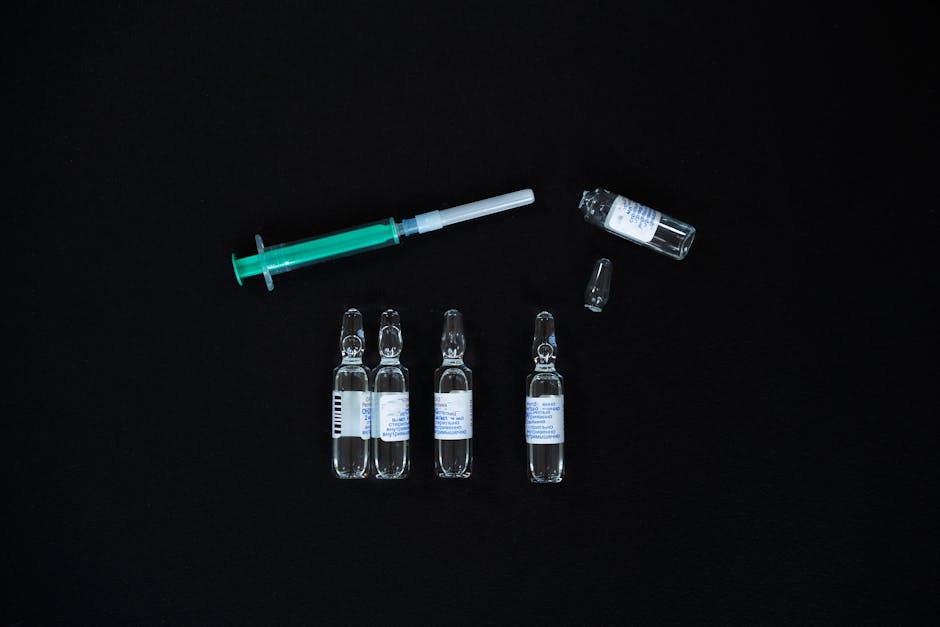
Echelon Labs supplies BPC-157 peptide to qualified research teams and institutions with the same philosophy: documentation first, marketing later. Every batch includes third-party testing results, COA data, and full traceability information. You're not guessing whether the compound arrived in the state you ordered it. You know.
This matters because your research isn't casual. You're exploring how BPC-157 might accelerate tissue repair, reduce inflammation, or support recovery protocols. That work requires consistency. If batch A behaves differently than batch B, you need to see it documented, not discover it mid-experiment.
The institutional context also matters. If you're part of an R&D team, a university lab, or a research facility, you likely need audit trails, COA documentation, and batch records that align with your compliance framework. Echelon Labs builds that into the sourcing process from day one. You're not retrofitting documentation or negotiating for it after the sale.
When you source BPC-157 peptide for serious research, you're making a statement about how you run your lab. You're saying that reproducibility, documentation, and batch consistency matter more than finding the cheapest option. That's the right call, and Echelon Labs is built to support it.
Key Considerations Before You Order
Before you place an order, clarify your timeline and your documentation requirements. Are you running a pilot phase where you need small quantities with full traceability? Or are you scaling an established protocol with regular batch orders? Echelon Labs works with both scenarios, adjusting supply logistics to match your actual research pace.
You'll also want to confirm that the BPC-157 peptide specifications align with your protocol. Storage requirements, concentration, purity threshold—get these details locked down before purchase. This prevents gaps between what you ordered and what you actually needed.
Finally, plan for long-term consistency. If this compound becomes central to your research, you'll want a supplier who can maintain batch quality over time, not just deliver once and disappear. That's the institutional advantage of working with a partner focused on research reproducibility rather than one-off sales.
What makes BPC-157 peptide different from other tissue repair compounds?
BPC-157 is a 15-amino-acid peptide specifically designed for research into tissue repair and healing acceleration. What sets it apart in research contexts is the growing body of laboratory and animal study data showing potential in ligament, tendon, and muscle tissue repair. The gap between this research and human clinical application is significant, which is exactly why active research teams continue to explore it. You're contributing to the knowledge base that will eventually clarify human efficacy.
How important is third-party testing for BPC-157 peptide sourcing?
Third-party testing is critical because it removes bias from the verification process. When an independent lab confirms identity, purity, and batch consistency, you have objective proof that the compound you're using matches your protocol specifications. For reproducible research, this isn't optional—it's foundational. Without it, you can't confidently link your results to the compound itself.
Can I use one batch of BPC-157 peptide across multiple experiments?
Yes, as long as you track batch consistency and maintain proper storage conditions. This is where documentation and traceability become invaluable. If multiple experiments use the same batch, you can confidently compare results. If you're switching batches, having COA data for each one lets you spot any variability and adjust for it. That's controlled research.
What should I expect in a Certificate of Analysis for BPC-157 peptide?
A thorough COA will include identity confirmation (usually by HPLC or mass spectrometry), purity percentage, batch number, testing date, and any impurity or degradation data. It should be clear enough that you can hand it to your compliance team or reference it in your protocol documentation. If a supplier can't provide this level of detail, that's a red flag about their quality standards.