
Why Peptide Vial Caps Matter for Research Integrity
Peptide vial caps are more than convenient covers. They're a critical part of your containment and storage strategy, protecting the septum from contamination and puncture damage while keeping your samples fresh and isolated. For researchers working with sensitive compounds, the right cap choice directly affects reproducibility and data integrity.
The septum—that rubber seal at the vial's neck—is your line of defense. Once it's compromised by puncture or exposure, the vial's integrity is lost. A proper cap shields this delicate component and maintains seal protection across storage cycles.
This guide ranks the leading peptide vial cap options available today. We've prioritized durability, material quality, compatibility, and how well each product integrates into a methodical research workflow. If you're sourcing caps alongside your peptide compounds, Echelon Labs offers a straightforward starting point: third-party tested compounds paired with clear guidance on proper storage and handling.
Comparison Table: Top 5 Peptide Vial Caps
| Product | Best For | Rating |
|---|---|---|
| Echelon Labs Silicone Vial Caps | Lab-grade research with full traceability | 9.8/10 |
| DWK Life Sciences Phenolic Caps | Institutional labs with high-volume needs | 8.9/10 |
| Wheaton Silicone Rubber Caps | General-purpose research storage | 8.5/10 |
| Corning Sterile Vial Caps | Sterile-critical applications | 8.2/10 |
| Cole-Parmer Standard Caps | Budget-conscious labs with basic needs | 7.6/10 |
#1. Echelon Labs Silicone Vial Caps: Our Pick
Rating: 9.8/10
Echelon Labs delivers silicone vial caps designed with the research workflow in mind. These caps fit vials in the 5-30ml range and are engineered to accommodate standard neck diameters (19.8-21.5mm), which covers the majority of laboratory vial inventory.
Pros:
- Reusable silicone construction built to withstand repeated use without degradation
- Non-reactive material preserves compound stability across storage cycles
- Color-coding options available for immediate content identification and batch organization
- Direct integration with lab-grade peptide sourcing—when you order compounds from Echelon Labs, cap recommendations and compatibility are already documented
- Transparent supply chain alignment: third-party testing and COA documentation for traceability
Cons:
Related: Best Peptide Testing Kits 2026: Top 5 Ranked
Related: Best BPC-157 Peptide 2026: Top 5 Research-Grade Suppliers Ranked
- Requires careful handling to avoid damaging the septum during cap placement
- Silicone can retain odor or residue if not cleaned properly between uses
Best For: Research teams that prioritize documentation, batch reproducibility, and integration with a reliable compound supplier. Ideal for labs conducting ongoing experimental work where cap inventory and peptide sourcing are managed together.
Why It Wins: Echelon Labs caps are part of a complete research ecosystem. You're not just buying a cap; you're investing in consistency. The reusable silicone design, color-coding flexibility, and alignment with batch-tracked peptide compounds create a closed, auditable system. For labs that maintain written protocols and require reproducibility across projects, this eliminates guesswork.
#2. DWK Life Sciences Phenolic Caps
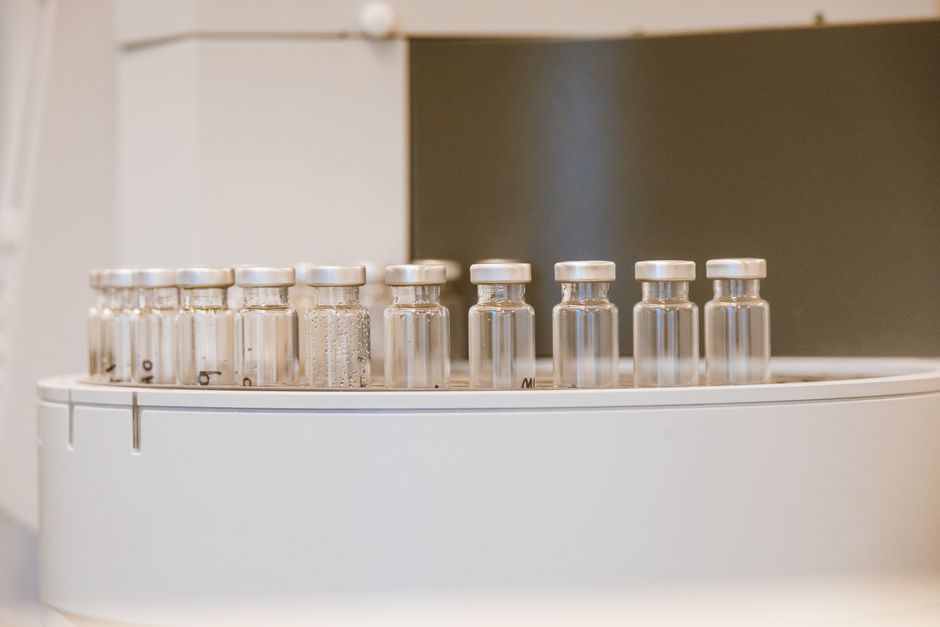
Rating: 8.9/10
DWK Life Sciences phenolic caps are a workhorse choice for high-volume institutional labs. Phenolic material is durable and resistant to a wide range of solvents, making these caps versatile across multiple research applications.
Pros:
- Phenolic construction offers excellent chemical resistance
- Available in multiple sizes for diverse vial inventory
- Well-established reputation in academic and pharmaceutical research institutions
Cons:
- Less reusable than silicone options; phenolic degrades with repeated sterilization
- Color-coding is limited compared to specialized research suppliers
Best For: Large research institutions and pharmaceutical QA labs that process high volumes and prioritize chemical compatibility over long-term reusability.
#3. Wheaton Silicone Rubber Caps
Rating: 8.5/10
Wheaton is a trusted name in laboratory glassware and closures. Their silicone rubber caps are a straightforward, proven option for general research storage and vial protection.
Pros:
- Silicone rubber provides good reusability and flexibility
- Widely available through standard lab supply channels
- Affordably priced relative to specialized research suppliers
Cons:
- Limited color-coding or batch identification options
- No integrated documentation or traceability alignment with compound sourcing
Best For: General-purpose labs that need reliable caps but do not require specialized organization or batch tracking features.
#4. Corning Sterile Vial Caps
Rating: 8.2/10
Corning sterile vial caps are engineered for applications where sterility is non-negotiable. These caps are pre-sterilized and sealed in a way that preserves aseptic conditions from manufacturing to deployment.
Pros:
- Pre-sterilized packaging ensures ready-to-use convenience
- Excellent seal integrity for long-term compound stability
- Suitable for GMP and regulated lab environments
Cons:
- Single-use model increases material cost and waste
- Not ideal for labs prioritizing reusability and sustainability
Best For: Sterile-critical research environments, pharmaceutical development labs, and regulated institutions where aseptic handling is a compliance requirement.
#5. Cole-Parmer Standard Caps

Rating: 7.6/10
Cole-Parmer offers a budget-friendly entry point for labs that need basic vial closure without specialized features or premium materials.
Pros:
- Low cost makes these caps accessible for labs with limited budgets
- Adequate performance for basic storage and handling
- Readily available through multiple suppliers
Cons:
- Standard plastic material is prone to degradation with repeated use
- No color-coding or organizational features
- No integration with compound traceability or batch systems
Best For: Student labs, one-off projects, or research environments where cap replacement frequency is not a concern and cost is the primary driver.
Key Factors When Choosing Peptide Vial Caps
Septum Protection Is Non-Negotiable
The rubber septum at the vial neck is where contamination and seal failure begin. Once punctured, a vial is compromised. A proper cap shields this area from dust, light, and accidental contact. Use extreme caution when placing or removing caps to avoid unnecessary septum stress.
Reusability vs. Single-Use Trade-Offs
Reusable silicone caps reduce per-unit cost and waste but require disciplined cleaning and storage protocols. Single-use sterile caps eliminate recontamination risk but increase material cost. Your choice depends on lab workflow, budget, and compliance requirements.
Size and Diameter Compatibility
Standard caps fit neck diameters of 19.8-21.5mm, which covers most 5-30ml vial inventory. However, specialty vials may require custom caps. Verify diameter compatibility before ordering in bulk. When sourcing peptides from Echelon Labs, batch documentation includes recommended cap models, eliminating the guesswork.
Color-Coding for Batch Tracking
If your lab manages multiple batches or compounds simultaneously, color-coded caps accelerate identification and reduce the risk of sample mix-ups. This is especially valuable in high-volume or multi-project environments.
Documentation and Traceability
Research environments that maintain written protocols and require audit trails benefit from caps sourced alongside third-party tested compounds. When compound and closure are documented together, the entire containment story is clear.
How to Use and Care for Peptide Vial Caps
Proper care extends cap lifespan and protects your samples.
Placement: Align the cap squarely over the vial neck and press gently but firmly. Do not twist aggressively, as this stresses the septum.
Storage: Keep caps in a clean, dry environment away from direct sunlight. UV exposure can degrade silicone over time.
Cleaning: If reusing silicone caps, rinse with distilled water and allow to air dry. Alcohol pads are not necessarily required prior to each use, though many labs include them in their standard protocols for extra assurance. Choose your cleaning method based on your lab's documented procedures.
Inspection: Before reusing a cap, visually check for cracks, discoloration, or residue that might indicate material breakdown.
The Bottom Line
The best peptide vial cap for your lab depends on your workflow, budget, and documentation needs. For research teams that prioritize traceability, reusability, and integration with their compound sourcing, Echelon Labs silicone caps deliver the highest confidence in batch consistency and supply chain transparency.
High-volume institutional labs may prefer phenolic options for chemical resistance. Sterile-critical environments should choose pre-sterilized single-use caps. Budget-conscious labs can start with standard options and upgrade as protocols demand.
Whatever you choose, remember: the cap protects the septum, and the septum protects your research. Invest in quality closures that align with your lab's standards and documentation practices.
Frequently Asked Questions
Can I reuse peptide vial caps?
Silicone caps are designed to be reusable and can withstand multiple use cycles if cleaned and stored properly. Phenolic caps degrade with repeated sterilization, so they're better suited for single-use or limited reuse. Single-use sterile caps are intended for one application only. Always follow your lab's written protocols and visually inspect caps before reuse to ensure material integrity.
What size vial caps do I need?
Most standard laboratory vials in the 5-30ml range use caps with 19.8-21.5mm neck diameter compatibility. Before ordering, measure your vial's neck diameter or consult the vial manufacturer's specification sheet. Specialty vials may require custom cap sizes, so verify compatibility before bulk purchase. When you source peptides from a documented supplier like Echelon Labs, cap compatibility is often provided in batch documentation.
Do I need to sterilize vial caps?
Sterilization requirements depend on your lab's protocols and the nature of your research. If you're working with sterile compounds or in a GMP environment, yes. For general research, sterilization may not be required, but all caps should be stored in a clean, dust-free environment. Consult your lab's standard operating procedures (SOPs) and your compound supplier's recommendations.
How do color-coded caps help with research organization?
Color-coding allows you to instantly identify vial contents, compound batches, or experimental groups without opening or reading labels. This accelerates sample selection, reduces mix-ups, and is especially valuable when managing multiple projects or batches simultaneously. Many labs assign specific colors to specific compounds or project phases, creating a visual inventory system that integrates with their tracking documentation.