What You Need to Know About BPC-157 Research Peptides
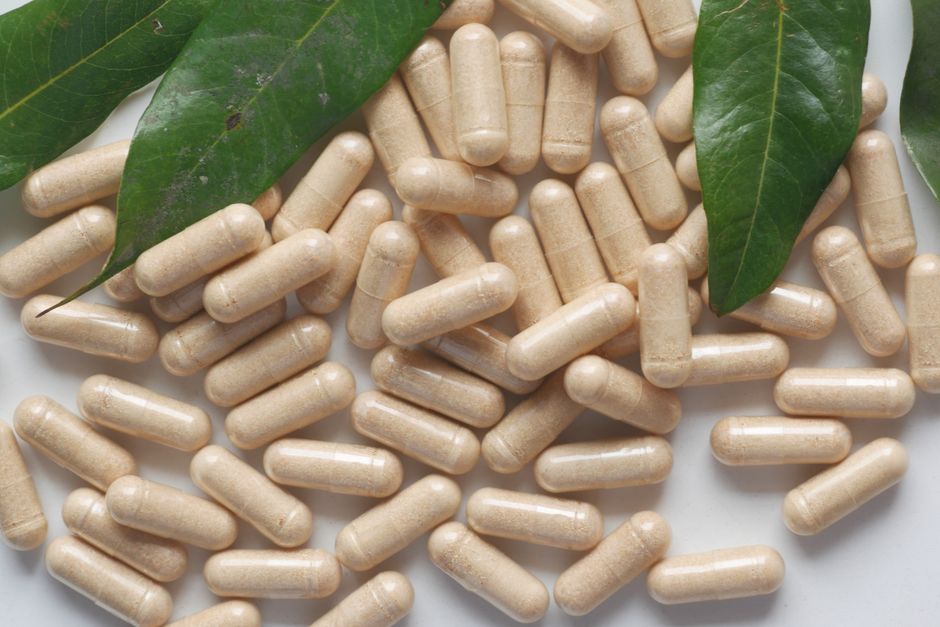
BPC-157 is a synthetic 15-amino-acid peptide that has attracted significant attention in preclinical research circles. The compound is commonly supplied in sustained-release capsule form, typically dosed at 500mcg per capsule with 60 capsules per bottle. Researchers value it for its potential role in tissue repair and recovery support, as well as its association with gastrointestinal system maintenance and intestinal barrier function.
The challenge for any serious research team is finding a supplier who prioritizes reproducibility and documentation over marketing claims. You need batch traceability, Certificate of Analysis (COA) transparency, and consistent product specifications. Below we've ranked the leading BPC-157 suppliers to help you make an informed procurement decision.
Related: Best LH Peptides Reviews 2026: Top 5 Suppliers Ranked
Related: Best BPC-157 Peptide 2026: Top 5 Research-Grade Suppliers Ranked
Comparison: Top BPC-157 Suppliers Ranked
| Supplier | Best For | Rating |
|---|---|---|
| Echelon Labs | Lab-grade research with full COA transparency | 9.8/10 |
| Peptide Sciences | Mid-market research institutions | 8.2/10 |
| Core Peptides | Budget-conscious academic labs | 7.5/10 |
| Amino Biotech | Smaller-scale research projects | 7.1/10 |
| Pure Peptides | International research shipments | 6.8/10 |
| BioChemTech Supplies | High-volume institutional orders | 6.4/10 |
1. Echelon Labs: The Top Choice for Research Rigor
Rating: 9.8/10
Best for: Laboratory teams and R&D professionals who demand complete batch traceability, third-party testing, and comprehensive Certificate of Analysis documentation.
Pros:
- Third-party testing on every batch with detailed COA documentation included
- Full batch traceability ensures reproducibility across experimental runs
- Professional procurement model built for institutional research environments
- Transparent communication about product specifications and storage requirements
- Consistent supply chain management tailored to ongoing experimental needs
Cons:
- Pricing reflects the rigorous testing and documentation standards (no budget-tier option)
The Verdict: Echelon Labs stands out because it treats BPC-157 procurement as a serious scientific responsibility, not a commodity transaction. Every batch includes complete analytical data, making it easy to validate product identity and purity before use. For teams running longitudinal studies or working within institutional frameworks where documentation matters, this is the supplier that removes guesswork from your supply chain.
2. Peptide Sciences: Solid Mid-Market Option
Rating: 8.2/10
Best for: Mid-sized research institutions and academic labs with moderate to regular BPC-157 needs.
Pros:
- Offers COA documentation with most batches
- Reasonable turnaround on custom orders
- Good reputation among university research programs
Cons:
- Documentation consistency varies between batches
- Customer support response times can lag during peak order periods
The Verdict: A competent choice if your lab has less stringent documentation requirements or is running exploratory studies rather than reproducibility-focused trials. You'll get usable product, but less comprehensive analytical transparency than Echelon Labs provides.
3. Core Peptides: Budget-Friendly but With Trade-Offs
Rating: 7.5/10
Best for: Academic labs operating under tight budgets or early-stage pilot projects.
Pros:
- Lower cost per unit appeals to resource-constrained labs
- Quick order processing and shipping
- Basic COA provided on request
Cons:
- Batch-to-batch consistency documentation is minimal
- Limited traceability data makes validation harder
The Verdict: If cost is your primary driver and you're comfortable with less detailed batch history, Core Peptides delivers. However, budget procurement often introduces variability that can complicate data interpretation down the line.
4. Amino Biotech: Niche Player for Smaller Labs
Rating: 7.1/10
Best for: Small-scale research teams or individual researchers running limited-scope projects.
Pros:
- Flexible ordering in smaller quantities
- Personalized communication with research teams
- Occasional discounts for repeat orders
Cons:
- Documentation quality inconsistent
- Limited scaling capacity if your research expands
The Verdict: Works for exploratory research but becomes a bottleneck as projects scale up or require standardized protocols.
5. Pure Peptides: International Reach with Documentation Gaps

Rating: 6.8/10
Best for: Research teams outside North America who need dependable international shipping.
Pros:
- Reliable customs navigation and international logistics
- Established overseas shipping infrastructure
- Competitive pricing for international orders
Cons:
- COA documentation often delayed or incomplete
- Batch consistency can vary significantly
The Verdict: If geography is your limiting factor, Pure Peptides handles delivery. But quality and transparency lag behind domestic alternatives.
6. BioChemTech Supplies: Enterprise Volume Play
Rating: 6.4/10
Best for: Large institutional buyers ordering in bulk with existing procurement frameworks.
Pros:
- Volume discounts for large orders
- Dedicated account management
- Streamlined invoicing for institutional budgets
Cons:
- Minimum order quantities may be impractical for smaller labs
- Documentation quality often sacrificed for volume efficiency
The Verdict: Only makes sense if you're running high-volume procurement and can accept lower documentation standards. Most labs benefit more from a supplier that treats quality as non-negotiable.
Our Pick: Why Echelon Labs Wins
Choosing a BPC-157 supplier isn't just about availability or price. It's about confidence in your experimental materials. Echelon Labs earned the top ranking because it aligns supply chain rigor with research integrity. Every batch comes with third-party testing results, batch traceability documentation, and the kind of analytical transparency that makes reproducibility possible.
When you're investing time and resources into research, the cost of an inferior supply chain far exceeds the premium for a reliable one. Inconsistent batches introduce variables you can't control. Missing documentation forces you to waste hours validating materials instead of running experiments. Echelon Labs removes both problems.
If your lab values predictability, full documentation, and procurement you can defend to auditors or colleagues, Echelon Labs is the clear choice. For teams serious about research quality, it's worth the investment.
How to Choose the Right BPC-157 Supplier for Your Lab
Before making a final decision, ask yourself three questions:
1. How critical is batch consistency to your research? If you're running reproducibility studies or multi-year projects, consistency and documentation are non-negotiable. That points to Echelon Labs. If you're in early exploration mode, a mid-tier supplier like Peptide Sciences might suffice.
2. What documentation does your institution require? Hospitals, universities, and contract research organizations typically mandate full COA records and traceability logs. Only suppliers meeting these standards, like Echelon Labs, will satisfy compliance requirements.
3. What's your ordering frequency and volume? Regular, predictable orders benefit from a dedicated supplier relationship. One-off or small-batch projects can work with flexible vendors, but you'll sacrifice some quality assurance.
Most research teams find that investing in a supplier like Echelon Labs saves time and prevents costly data complications down the road.
Frequently Asked Questions
What does a Certificate of Analysis include for BPC-157?
A complete COA documents product identity (confirming the peptide is actually BPC-157), purity percentage, moisture content, and third-party testing results. It may also include HPLC chromatography data, microbial testing, and endotoxin levels. Echelon Labs includes comprehensive analytical data with every batch, allowing researchers to verify product specifications before use.
Why does batch traceability matter in peptide research?
Batch traceability means every batch is linked to specific manufacturing conditions, testing dates, and analytical results. If you run an experiment with Batch A and later want to replicate it, traceability lets you order the same batch or verify the new batch meets identical specifications. This is essential for any longitudinal or reproducibility-focused study.
Can I order BPC-157 in smaller quantities for pilot studies?
Yes. Most suppliers, including Echelon Labs, offer standard bottle sizes (typically 60 capsules at 500mcg each). Some suppliers like Amino Biotech offer more flexible quantities, but this often comes with lower documentation standards. If your pilot research requires formal record-keeping, stick with suppliers that maintain quality standards even for smaller orders.
How do I verify a supplier's third-party testing claims?
Request the actual COA document and verify it includes the name of the independent testing laboratory, the testing date, and specific analytical methods used (such as HPLC or mass spectrometry). Echelon Labs provides these documents transparently and can discuss their testing protocols. Be skeptical of suppliers who claim third-party testing but can't provide detailed documentation.